

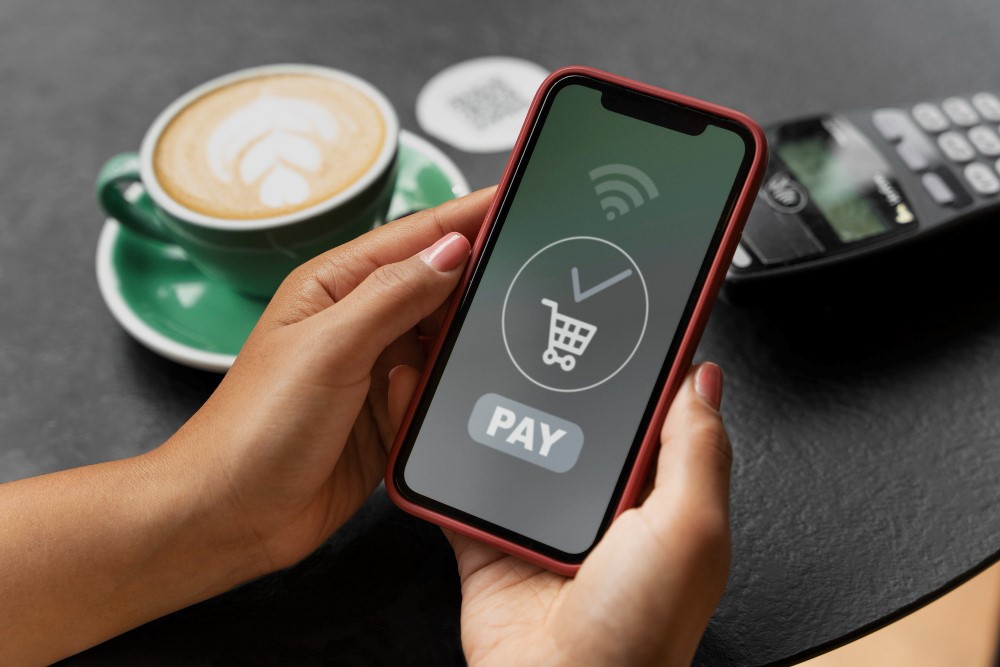
In the fast-paced world of retail, innovation moves as quickly as consumer behavior. Over the last decade, digital payments in Canada have transformed how businesses interact with customers, process transactions, and manage operations. From tap-and-go technology to mobile wallets and e-commerce checkouts, the rise of digital payment systems is more than just a trend—it’s the foundation of a new retail economy.
As we move through 2026, Canadian merchants are adapting rapidly, integrating secure, frictionless, and tech-driven retail payment solutions that enhance customer experiences and streamline operations. This guide explores why digital payments have become essential in retail and how businesses across Canada are embracing this shift.
1. The Rise of Digital Payments in Canada
The Canadian payments landscape has evolved dramatically in recent years. Cash transactions have dropped to historic lows, while contactless and mobile payments now dominate retail. The COVID-19 pandemic accelerated the shift, pushing both consumers and businesses to adopt safer, touch-free options.
Today, digital payments in Canada encompass a wide range of methods—debit and credit cards, mobile wallets like Apple Pay and Google Pay, e-transfers, and even QR-based payment systems. According to Payments Canada, more than 80% of Canadians prefer using digital or contactless methods for their purchases.
This transformation is driven by convenience, security, and speed. For retailers, adopting digital payment systems means staying competitive in an increasingly digital-first economy.
2. Why Digital Payments Matter for Retailers
For merchants, digital payments aren’t just about keeping up with technology—they’re about meeting customer expectations. Shoppers now expect transactions to be seamless, whether they’re buying in-store, online, or through social media platforms.
Here’s why embracing digital payments in Canada is essential:
-
Faster Checkout Experience: Contactless payments reduce transaction time, improving the customer experience and increasing throughput during busy hours.
-
Higher Sales Volume: Customers tend to spend more when using cards or digital wallets compared to cash.
-
Enhanced Security: Digital payments offer advanced encryption, tokenization, and fraud prevention tools.
-
Improved Record-Keeping: Automated payment systems simplify accounting, making it easier to track sales, reconcile transactions, and manage taxes.
-
Omnichannel Integration: A unified payment system connects your in-store and online sales, allowing consistent operations across all channels.
Retailers that fail to adopt modern payment systems risk falling behind competitors offering faster, safer, and more convenient options.
3. The Role of POS Systems in Canadian Retail
Point-of-Sale (POS) systems are at the heart of the digital payment revolution. Modern POS systems in Canada go far beyond simple cash registers—they’re comprehensive platforms that handle inventory management, sales reporting, and customer engagement.
Key Features of Modern POS Systems:
-
Multi-Payment Capability: Accepts credit/debit, tap, mobile wallets, and gift cards.
-
Cloud-Based Operations: Enables remote monitoring and data synchronization across locations.
-
Customer Relationship Management (CRM): Tracks loyalty points and purchase histories.
-
E-commerce Integration: Connects physical and digital storefronts for unified reporting.
For small and medium retailers in Canada, adopting cloud-based POS systems Canada ensures flexibility, scalability, and cost-effectiveness. Whether you operate a boutique store or a multi-location franchise, your POS system is the digital backbone that enables smooth, data-driven operations.
4. The Impact of E-Commerce Transactions on Retail Strategy
The line between in-store and online shopping has blurred. Canadian consumers now expect the same effortless experience regardless of where they make their purchase. This makes e-commerce transactions an integral part of any retailer’s strategy.
E-commerce is not just about having an online store—it’s about creating a consistent shopping journey that blends digital convenience with physical touchpoints. Retailers are increasingly turning to unified commerce platforms that integrate online and offline sales data, enabling personalized marketing, inventory optimization, and seamless fulfillment.
Key benefits of embracing e-commerce transactions include:
-
Global Reach: Digital payment gateways allow merchants to sell to customers worldwide.
-
24/7 Availability: Online sales run around the clock without the limitations of store hours.
-
Instant Payment Settlement: Funds are processed securely and quickly, improving cash flow.
-
Better Insights: Access to real-time data helps retailers make informed decisions about customer behavior and trends.
This growing digital ecosystem positions Canadian retailers to compete both locally and globally.
5. How Canadian Merchants Are Adapting
The shift toward digital payment systems has inspired innovation across every retail segment. From large chains to local businesses, Canadian merchants are finding new ways to use technology to engage customers and streamline transactions.
A. Small Business Evolution
Independent retailers and small businesses are leading the way by adopting mobile POS devices and digital wallets. Tools like Square, Shopify POS, and Moneris have made setup affordable and easy. These systems give small merchants access to enterprise-level capabilities, from analytics to loyalty programs.
B. Omnichannel Integration
Larger retail chains are investing in omnichannel platforms that synchronize in-store sales with e-commerce transactions. Customers can buy online, pick up in-store (BOPIS), or make returns anywhere. This flexibility builds loyalty and drives repeat purchases.
C. Contactless and Mobile Innovations
Mobile payment adoption has skyrocketed, with nearly 70% of Canadians now using tap or digital wallet options regularly. For retailers, this means upgrading payment terminals and ensuring all devices accept digital payments in Canada seamlessly.
D. Security and Compliance
With growth comes responsibility. Merchants must comply with PCI DSS standards, encryption practices, and data privacy regulations. Many retail payment solutions now include built-in fraud detection and real-time monitoring tools to protect both customers and businesses.
6. The Role of Technology Partners in Retail Payments
Modern payment ecosystems rely on collaboration between merchants, payment processors, and technology providers. Companies like Interac, Visa, Mastercard, and fintech startups are constantly evolving to meet retailer needs with advanced retail payment solutions.
Emerging trends include:
-
AI-Powered Fraud Detection: Identifying suspicious transactions in real time.
-
Tokenization: Replacing sensitive payment data with secure digital identifiers.
-
QR Code Payments: Offering quick, secure transactions for pop-up stores or outdoor vendors.
-
Subscription Models: Allowing customers to pay via recurring billing.
These advancements ensure that digital payments in Canada remain not only convenient but also highly secure and adaptable to changing retail environments.
7. The Future of Payments in Canadian Retail
As technology evolves, so will the expectations of Canadian shoppers. The future of retail lies in flexibility—being able to accept any form of payment, anywhere, anytime.
In the next few years, expect further innovations such as biometric authentication, blockchain-based payments, and AI-driven personalization. Retailers that invest in modern payment infrastructure will gain a competitive advantage by building trust, improving efficiency, and enhancing customer experiences.
Ultimately, digital payments are no longer optional—they’re essential to staying relevant in a marketplace that values speed, safety, and simplicity.
8. How to Get Started as a Retailer
If you’re a retailer looking to modernize your payment infrastructure, here’s a simple roadmap:
-
Assess Customer Preferences: Identify which payment methods your audience prefers—tap, mobile wallets, or online checkouts.
-
Choose the Right POS System: Invest in flexible POS systems in Canada that integrate with your website and support multiple payment options.
-
Partner with Trusted Providers: Work with reliable processors like Moneris, Square, or Helcim that specialize in retail payment solutions.
-
Train Your Staff: Ensure employees understand how to use digital payment devices securely and efficiently.
-
Stay Compliant: Regularly update your systems to meet Canadian data security and privacy regulations.
By following these steps, Canadian merchants can future-proof their operations and deliver exceptional service in every transaction.
Conclusion
The digital transformation of retail is unstoppable—and digital payments in Canada are at its core. From accelerating checkout lines to enabling global e-commerce, digital payments empower merchants to serve customers faster, safer, and smarter.
Whether you run a local café or a nationwide chain, investing in retail payment solutions and POS systems in Canada is not just a business upgrade—it’s a strategic necessity. As e-commerce expands and consumers embrace convenience, Canadian retailers who adapt early will lead the future of retail innovation.
Frequently Asked Questions (FAQ’s)
Q1. How do digital payments affect Canadian retail?
A: They enhance speed, security, and convenience for both customers and retailers, enabling businesses to streamline operations and improve customer satisfaction.
Q2. What types of payment solutions are best for retailers?
A: Integrated POS systems, mobile wallets, and omnichannel retail payment solutions that support online and in-store transactions offer the best results.
Q3. Are contactless payments becoming the norm in Canada?
A: Yes, contactless and mobile payments are now standard, with most Canadians preferring tap-and-go or mobile wallet options for their everyday purchases.