

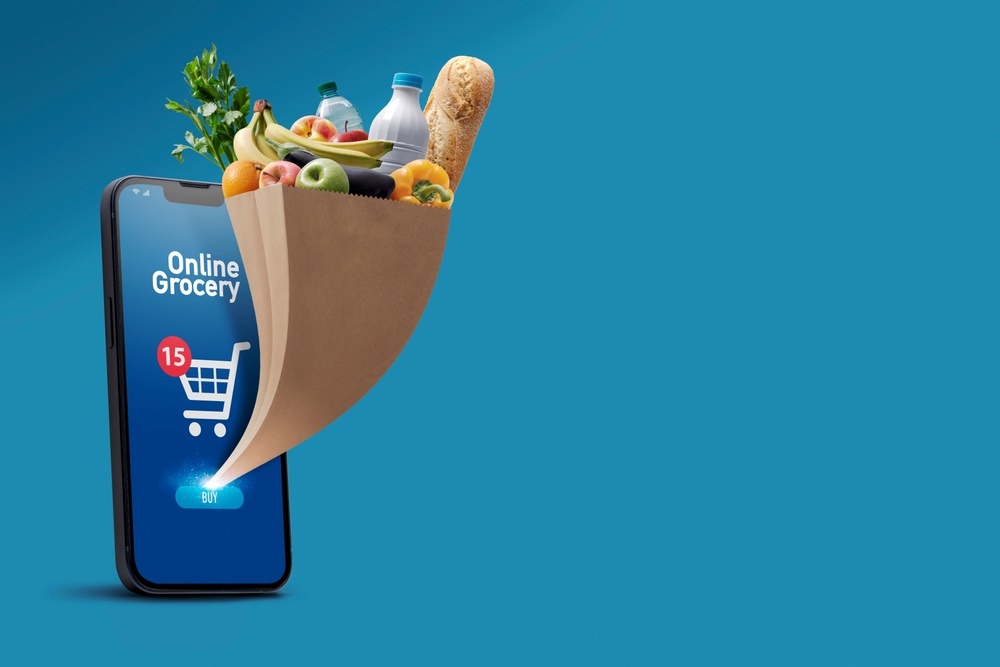
For decades, retailers have wrestled with one persistent question: Will online shopping replace the traditional store experience? Today, the answer is clear — neither can thrive alone. The future belongs to businesses that master hybrid retail strategies — where online convenience meets in-person experience to deliver value across every customer touchpoint.
Canadian and global retailers alike are learning that consumers want flexibility. They want to browse online but pick up in-store. They want real-time digital updates, but also personal service. They want seamlessness. This evolving balance between online vs offline retail isn’t a competition — it’s a collaboration.
Here’s how modern retailers can survive and thrive in this blended world.
The New Consumer Reality
In the last decade, digital transformation reshaped the retail landscape beyond recognition. COVID-19 accelerated e-commerce growth, but the rebound of in-person shopping proved that human connection still matters. Shoppers now expect to move between channels effortlessly — researching online, purchasing via mobile, and returning items in-store. According to Deloitte’s Canadian retail outlook, over 70% of consumers now use both digital and physical channels in a single purchase journey. That’s where hybrid retail strategies come in — uniting technology, logistics, and human touch to meet evolving expectations.
Online vs Offline Retail: Finding the Right Balance
The debate around online vs offline retail often misses the point. It’s not about one replacing the other — it’s about integration.
-
Online retail delivers speed, convenience, and access to a global audience.
-
Offline retail offers sensory engagement, community trust, and personalized service.
When combined strategically, they amplify each other’s strengths. For example, many Canadian brands have adopted “click-and-collect” models — allowing customers to order online and pick up in-store within hours. This not only boosts sales but also drives foot traffic and upselling opportunities.
The real challenge isn’t technology — it’s mindset. Retailers must view every channel as part of a single, unified customer experience.
The Rise of Hybrid Retail Strategies
1. Integrating Digital Tools in Physical Spaces
Modern stores are no longer just display rooms — they’re digital experience hubs. Interactive kiosks, mobile POS systems, and AR-powered product try-ons are becoming standard.
A strong hybrid retail strategy ensures that customers have the same level of convenience and personalization in-store as they do online. Staff equipped with tablets can check inventory, offer custom discounts, or process returns instantly, bridging the gap between digital browsing and physical buying.
2. Data-Driven Decision Making
In a hybrid model, data is gold. Every click, visit, or purchase provides insights into customer behavior. By merging online analytics with in-store data — such as footfall, dwell time, and purchase patterns — retailers can make smarter decisions.
For instance, if a product is trending online, it can be featured prominently in stores. Similarly, items frequently returned in-store can trigger an online UX review. Hybrid retail strategies thrive on these continuous feedback loops, allowing businesses to anticipate demand instead of merely reacting to it.
3. Seamless Payments and Inventory Integration
Customers expect instant gratification — and that extends to payments and availability. Retailers that unify their inventory systems ensure customers can see accurate stock levels in real time, regardless of channel.
Mobile payments, digital wallets, and one-click checkout systems further simplify transactions. By synchronizing back-end data, retailers eliminate friction, boost conversion, and reduce lost sales.
In short, frictionless technology is the foundation of effective hybrid retail strategies.
4. Personalization Across Channels
Personalization isn’t just a digital tactic — it’s a universal expectation. Shoppers now expect brands to know their preferences, whether they’re online or at the counter.
Using customer relationship management (CRM) systems and AI-driven recommendations, retailers can offer unified promotions, loyalty rewards, and personalized experiences across every touchpoint.
For example, a customer who abandons a cart online might receive a personalized discount redeemable in-store. This combination of insight and incentive builds loyalty — the hallmark of successful omni-channel marketing.
Retail Trends Shaping the Hybrid Era
The pace of change in retail has never been faster. The following retail trends are shaping how businesses operate and connect with customers across Canada and beyond:
1. Experiential Retail
Customers crave memorable experiences. Pop-up shops, in-store workshops, and sensory displays encourage emotional engagement and social sharing — something online alone can’t replicate.
2. Subscription and Membership Models
From grocery staples to beauty boxes, recurring revenue models continue to rise. They provide predictable income streams and strengthen brand-customer relationships.
3. Sustainability and Local Sourcing
Consumers want to support ethical and local brands. Transparency about sourcing, packaging, and community impact influences purchasing decisions across both online and physical spaces.
4. AI-Enhanced Customer Journeys
Artificial intelligence now drives product recommendations, predictive inventory, and chat-based customer support. Retailers using AI effectively deliver smarter personalization at scale.
Omni-Channel Marketing: The Heart of Hybrid Success
At the core of every hybrid retail strategy lies one principle — consistency. This is where omni-channel marketing plays a transformative role.
Unlike multi-channel marketing, which treats each platform separately, omni-channel marketing aligns every customer touchpoint — website, app, social media, store, and even email — into one unified experience.
For instance:
-
A customer discovers a product on Instagram.
-
Clicks to the website for details.
-
Visits the nearest store to test it.
-
Completes the purchase via app using a loyalty reward.
Every step feels connected, intentional, and personalized. That’s the power of a seamless omni-channel ecosystem — it builds trust and drives repeat engagement.
Blending Human and Digital Service
Technology can streamline, but people still sell. Even in automated systems, human interaction remains the differentiator.
Retailers that invest in staff training and empower employees to use digital tools enhance the overall shopping journey. Associates who understand online orders, app functionality, and loyalty programs become hybrid ambassadors — guiding customers across both worlds effortlessly.
The Future of Physical Stores
Brick-and-mortar isn’t disappearing; it’s transforming. Stores are evolving into multifunctional spaces that serve as fulfillment centers, brand showrooms, and community hubs.
Retailers are using stores for:
-
Click-and-collect pick-ups to reduce shipping costs and boost convenience.
-
Micro-fulfillment centers for local online orders.
-
Experiential showcases for new product launches and demos.
These roles redefine the value of physical locations, ensuring they remain integral to the online vs offline retail equation.
As consumer behavior evolves, stores that merge experience with efficiency will continue to thrive.
Building a Future-Proof Hybrid Retail Strategy
To succeed in the modern marketplace, retailers must adopt a long-term mindset centered on adaptability and integration.
1. Invest in Technology Infrastructure
Unified POS systems, cloud-based inventory, and CRM tools enable real-time visibility and communication across all channels.
2. Prioritize Data Privacy and Security
Customers expect brands to handle their data responsibly. Transparency builds trust and compliance with evolving privacy laws in Canada.
3. Measure the Right Metrics
Go beyond sales — track engagement, lifetime value, and cross-channel retention. Success in hybrid retail means measuring relationships, not just transactions.
4. Partner with Local Fulfillment Networks
Speed is everything. Local logistics partnerships help reduce delivery costs, improve turnaround, and strengthen community ties.
5. Keep Testing and Adapting
The best hybrid retail strategies are iterative. Use analytics to test promotions, optimize store layouts, and refine digital experiences continuously.
Conclusion
The line between online and offline has blurred — and for retailers, that’s an opportunity, not a threat. The winners of tomorrow will be those who embrace transformation, combining data-driven insights with authentic human connection. By aligning omni-channel marketing, technological innovation, and in-store experiences, businesses can offer the best of both worlds.
The message is simple: retail is not dying; it’s diversifying. And with the right hybrid retail strategies, today’s retailers can create lasting loyalty, operational efficiency, and growth in the era of blended commerce.
FAQ’s
Q1. How do physical stores compete with online retail?
A: Physical stores compete by offering personalized service, sensory experiences, and instant gratification while integrating technology — creating value that complements, rather than competes with, online convenience.
Q2. What is an omni-channel retail strategy?
A: An omni-channel retail strategy connects online, mobile, and in-store channels into a unified experience, ensuring customers can interact with your brand seamlessly across every platform and touchpoint.
Q3. How do I integrate e-commerce with a brick-and-mortar store?
A: Integrate by unifying inventory, payments, and marketing. Offer click-and-collect, loyalty rewards across channels, and digital tools in-store to create one seamless, customer-focused ecosystem.